Degrees
A whole degree read in order, year by year.
Biology
Life at every scale: the cell, the gene, the organism and the population, held together by evolution and read with real statistics.
Chemistry
Matter from the atom up: bonding, reactions and their rates, then the organic, inorganic and physical branches that split off from them.
Computer Science
What a machine can compute and at what cost: algorithms, the machine underneath them, the systems built on top, and the theory that bounds all three.
Mathematics
Proof as the whole method: analysis, algebra, topology and geometry, starting from what it means for a statement to be true.
Physics
The laws that the rest of the sciences rest on: mechanics, fields, thermodynamics and the quantum, each built up from the mathematics it needs.
Subjects
Atoms and Elements
How the atom was found, taken apart and finally explained: from combining weights and Rutherford scattering to orbitals, periodic trends and the chemical bond.
Molecules and Reactions
Why a reaction goes, how fast, and how far: kinetics and equilibrium, acids and bases, and the electron transfers behind every battery.

Beginner Japanese
A complete grounding in Japanese: read both kana and your first hundred kanji, and say what you did, where you went and what you want.
Intermediate Japanese
Hold a real conversation to about B1: build clauses inside sentences, give reasons, report what other people said, and choose how formally to speak.
Building a Quadcopter
Design and build a flying quadcopter from first principles: the physics of hover, propellers and brushless motors, the power system, the IMU and the control loop that keeps it level, the frame, and the radio and FPV links that let you fly it.
Classical Mechanics
Predict motion from forces: Newton's laws, energy and momentum, rotation, and the gravitation that holds a planet in its orbit.
Structures
Work out why things stand up: equilibrium and internal forces, stress and strain, beams and buckling, and choosing a material for a load.

Electricity and Magnetism
Follow the field from Coulomb to Maxwell: charge and current, induction, and the four equations that turn out to describe light itself.
Evolution
How variation, heredity and selection account for adaptation and the diversity of life, and the evidence that settled the argument.
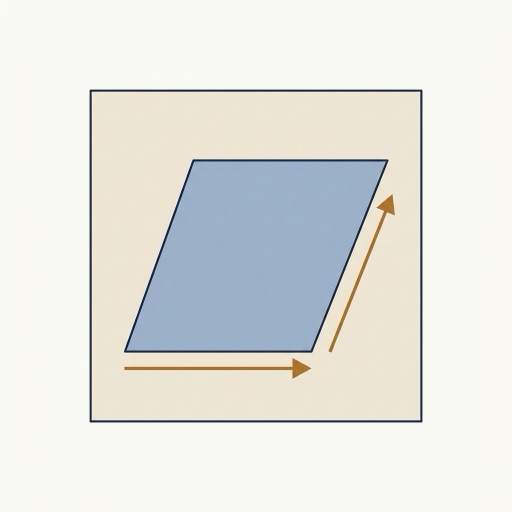
Linear Algebra
A matrix is a transformation: vectors and spaces, bases and rank, determinants and eigenvectors, and what each one does to the space it acts on.

Logic
Judge an argument by its form: truth tables, natural deduction, quantifiers and proof technique, and the gap between an argument being valid and being true.

Free Will
Take a position on determinism and responsibility and defend it: the Consequence Argument, compatibilism, manipulation cases, the evidence from the brain, and what desert survives.
Ethics
Reason about what to do: consequences, duties and character, and what each says about the cases that actually divide people.

Reality and Belief
Work out what you can actually claim to know: scepticism and the simulation argument, what exists, the arguments for and against God, and whether we are typical or alone.
Mathematical Foundations
Rebuild school mathematics as an adult: algebra as structure, functions and graphs, logarithms and exponentials, trigonometry, and a first taste of proof.
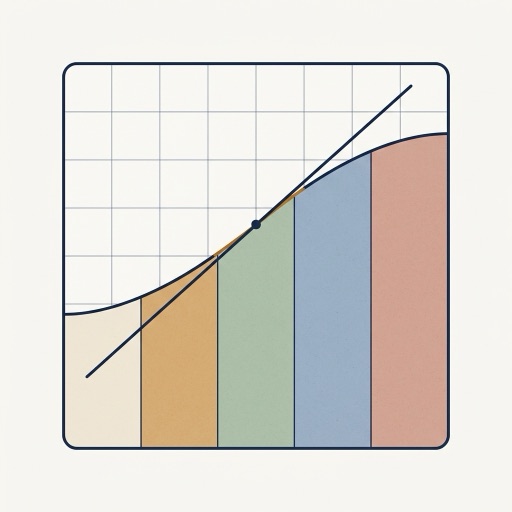
Calculus I
What a limit actually is, and then how to differentiate and integrate: the mathematics of change, built solidly enough to read the physics that uses it.
Calculus II
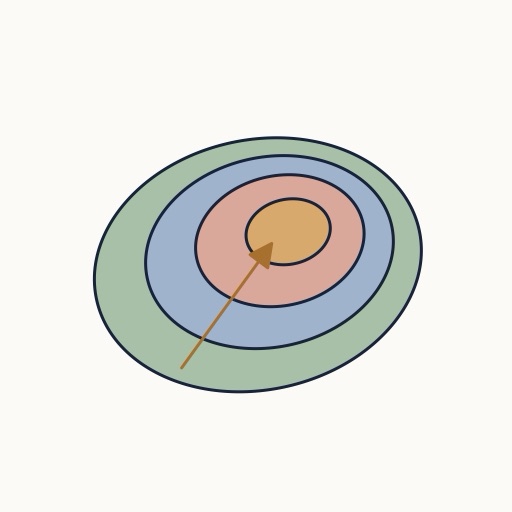
Calculus for quantities that depend on several things at once: partial derivatives, the gradient, optimisation with and without constraints, and integrals over areas and volumes.
Differential Equations
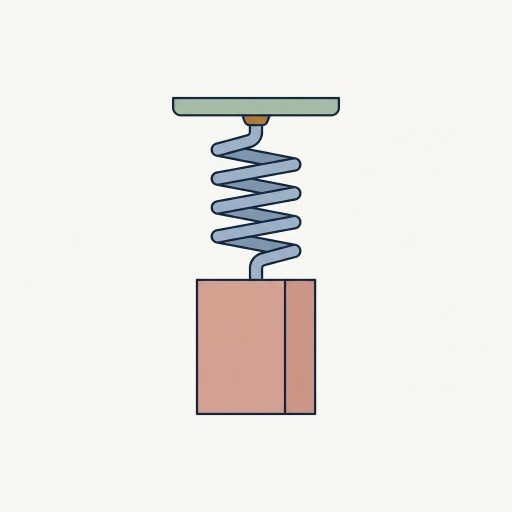
Turn a law of change into an equation and solve it: first and second order, oscillation and damping, and what a solution says about the system it describes.

Microeconomics
Model choice under scarcity: where demand comes from, what a firm can make and at what cost, how market structure sets the price, and the four ways markets fail.
Probability
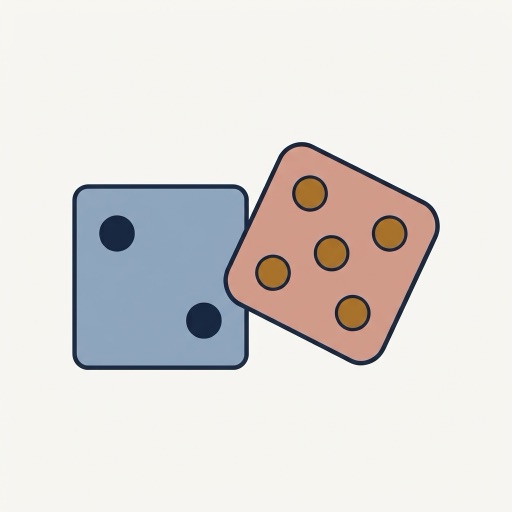
Reason about uncertainty without fooling yourself: sample spaces, conditioning, Bayes, random variables, and the distributions that keep reappearing.
Game Theory
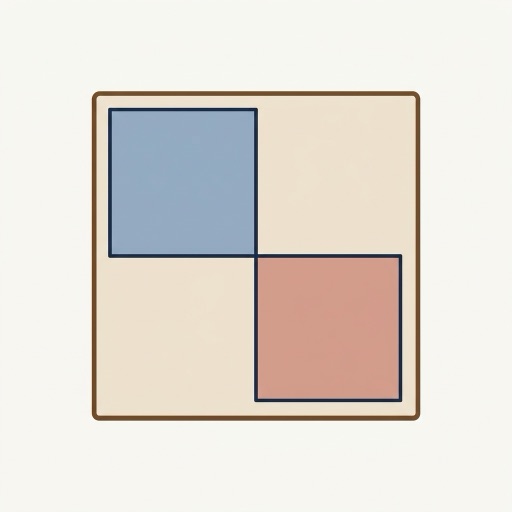
Strategy when the best move depends on someone else's: dominance and equilibrium, repetition and reputation, bargaining, and where the predictions fail.
Statistics
Estimate, test and interpret honestly: sampling, likelihood, confidence and significance, regression, and the ways published numbers mislead.
Proof and Logic
How mathematics establishes that something is true: the logic of statements and quantifiers, the standard methods of proof, and the sets, functions and relations every later course is written in.
Discrete Mathematics
The mathematics of things that come in whole pieces: counting without listing, recurrences, the arithmetic of whole numbers that secures the internet, and graphs.

Music Theory
Read a score and say what it is doing: rhythm, intervals, scales and keys, chords, and why a progression pulls the way it does.
Programming
Write correct programs from nothing: values and types, decisions and loops, functions and data structures, and how to find what you got wrong.
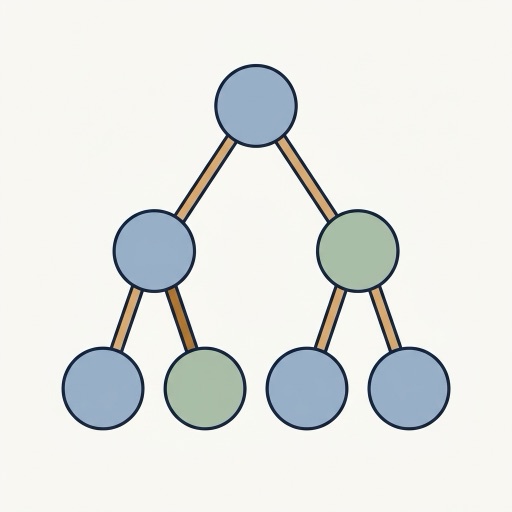
Algorithms and Data Structures
Choose the right structure and justify the choice: what a program costs, sorting and searching, trees and graphs, and the strategies that keep working.
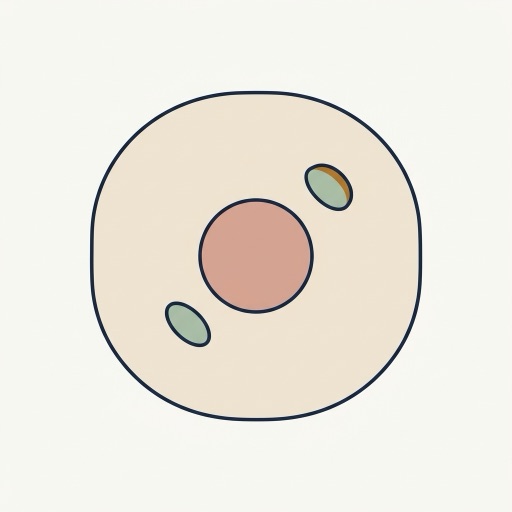
The Cell
The machinery every living thing shares: membranes and transport, metabolism, the flow from DNA to protein, and how a cell divides.

The Industrial Revolution
How one country broke a four-century flat line in living standards: the machines, the coal, the factory, and what the change cost.

The Roman Republic
How a city's constitution built an empire and then broke under the weight of it: from the kings to Actium, and the four centuries in between.

The Roman Empire
From the principate to the fall: how the empire was governed, why it held together for so long, and what actually ended in the west.
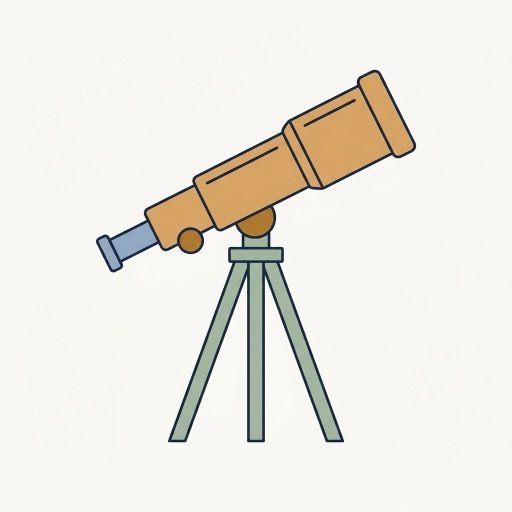
The Scientific Revolution
How Europe learned to settle arguments by measurement: from Copernicus to Newton, and why a method that now looks obvious was anything but.
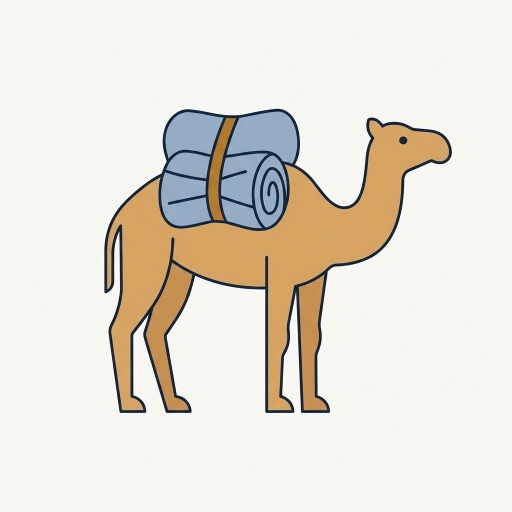
The Silk Road
What actually crossed Eurasia and how we know: the goods a camel could afford to carry, the faiths and techniques that followed them, the plague, and what the routes really changed.
Theory of Circuits
How electricity works, from the charge and fields of physics to the current, voltage and resistance of a real circuit, through capacitors and inductors, and on to alternating current, impedance and resonance.
Thermodynamics
The four laws that govern energy: what heat and work are, why energy is conserved but not freely reusable, and what entropy counts.
Applied Thermodynamics
The laws taken to real hardware: control volumes and steady flow, turbines and compressors, power and refrigeration cycles, and the price of every loss.

Web Auth
Sign people in without getting it wrong: hashing and sessions, cookies and CSRF, password reset, TOTP, passkeys and OAuth, written in JavaScript.